
Agenda 2023

- 09.50 – 10.00 – Registration & Welcome refreshments
- 10.00 – 11.30 – Plenary session
- 11.30 – 12.00 – Networking and refreshments
- 12.00 – 13.30 – Parallel Sessions
 SESSION A: The impact of sustainable development concept (ESG criterion) on the implementation of internal audit and valuation processes
- SESSION B: Fintech as a response to sustainable business of financial sector
- SESSION C: Sustainable development of human capital and marketing strategy in the fluid business environment
- 13.30 – 13.45 – Networking and refreshments
- 13.45 – 15.00 – Parallel Sessions
- SESSION A: The impact of sustainable development concept (ESG criterion) on the implementation of internal audit and valuation processes
- SESSION D: Concepts and challenges of the circular economy – Serbia and the EU
- SESSION E: Tax planning
- 15.00 – 15.30 – Lunch
- 15.30 – 17.00 – Scientific Papers
 SESSION F: Scientific Papers
- 17.00 – End of Conference
The concept of sustainable development nowadays is made of economic, social and environmental pillars that meet the needs of current and future business success. This has become of paramount importance that guide business decisions at all levels of organizations in the current knowledge economy.
Pleanary Session
10.00 – 11.30
Classroom: 046
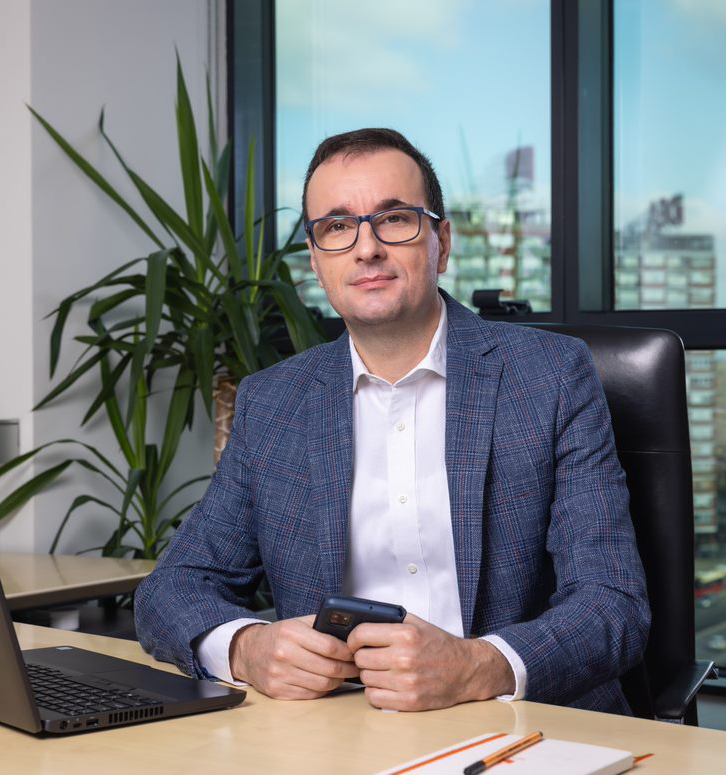
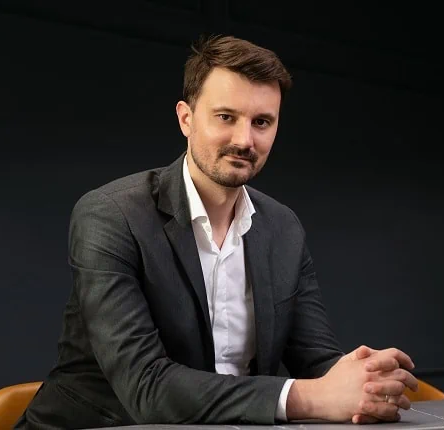
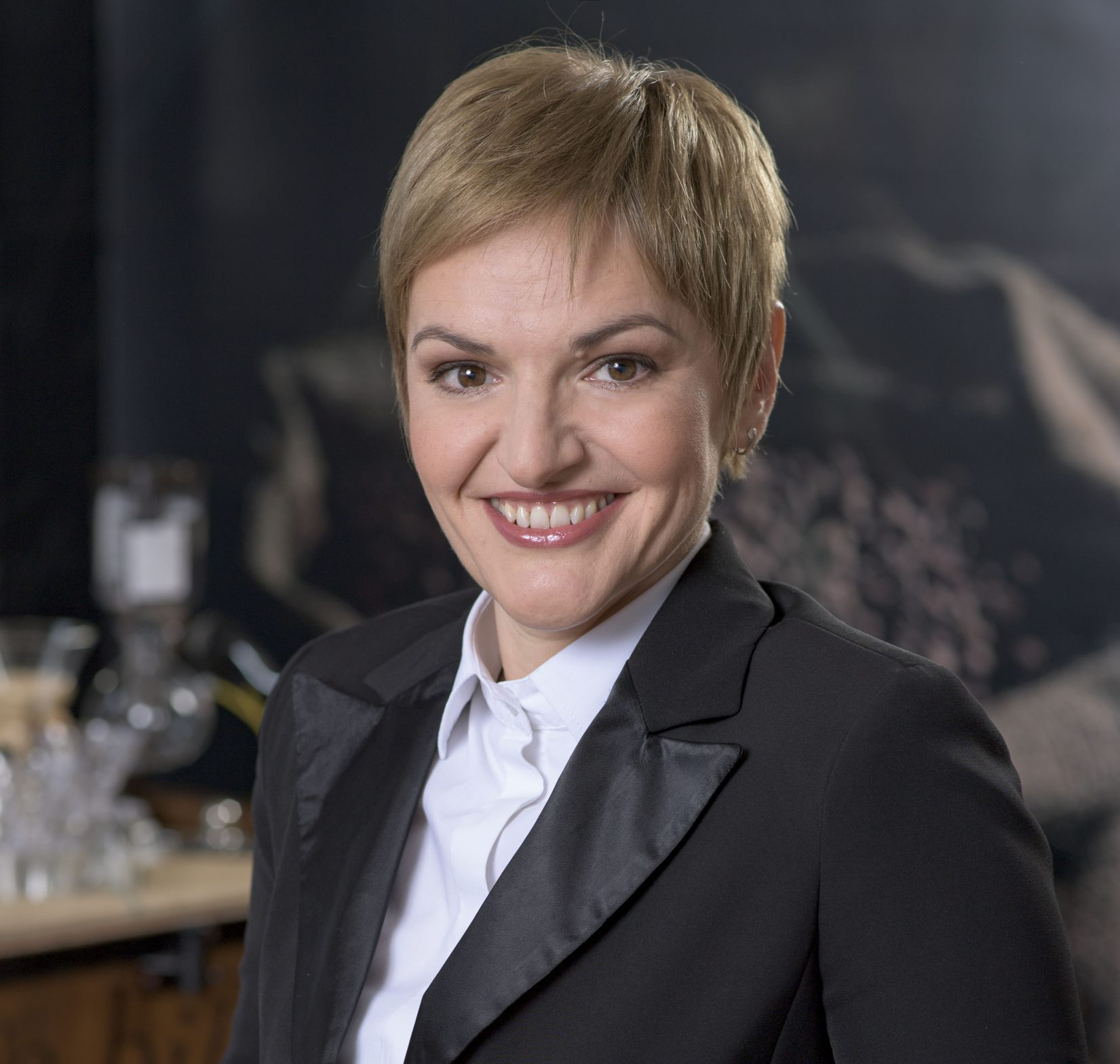
Speakers:





Session A
12.00 – 15.00
Classroom: 046
The impact of sustainable development concept (ESG criterion) on the implementation of internal audit and valuation processes

Moderators:
Vule Mizdraković, PhD, Univerzitet Singidunum
Miroslav Perić, PhD, Univerzitet Singidunum
Speakers:
- Katarina Majić, Senior ESG Specialist, Erste bank Serbia
- Olivera Radović, Internal Auditor, Elektromreža Srbije
- Nebojša Jeremić, Governance, Risk and Compliance Expert for Corporate Processes, Telekom Srbija
- Danijela Ilić, President, NUPS
- Miroslav Višnjić, President, USSVP
The role of internal audit in achieving business objectives regarding sustainable development is to provide an independent and objective assurance that those business processes and activities are aligned with the objectives of sustainable development and to examine whether adequate standards and regulations are being followed. The objective of the session is to exchange experiences regarding the role of internal audit in achieving sustainable development objectives through the identification of risks, evaluation of policies, enactment of regulations and raising employee awareness.
The theme of this year’s session regarding valuation are ESG (Environmental, Social and Governance) criteria, as well as their impact on valuation of fixed assets and business. Considering the notion that these criteria are already incorporated in the existing European standards for valuation of real estate, plant, equipment and business assets, and that it is expected that these standards will be further modified in this aspect, this session will consider their basic requests and the challenges of their practical implementation. The objective of this session is to develop constructive discussion between the speakers and participants with the aim of exchanging experience, enhancing understanding, and observing the aforementioned challenges in the context of the modern economy.


Sesija B
12.00 – 13.30
Classroom: 018
Fintech as a response to sustainable business of financial sector
Moderator:
Lidija Barjaktarović, PhD, Dean, Faculty of Business in Belgrade, Singidunum University
Speakers:
- Nikola Stakić, PhD, CFA, Singidunum University, Member Board of Directors, CFA Society Serbia
- Luka Pejović, Head of Finance, Relio AG
- Marko Danon, PhD, Head of Competitiveness Unit, NALED
This session will address the theme of two projects: 1) COST CA 19130 – Fintech and Artificial Intelligence in Finance – Towards a transparent financial industry) and 2) ORCA-LAB, which proposes pioneering all-Optical Reservoir Computer Architectures (ORCAs) harnessing the power of the novel, adaptive nonlinear nodes, to be demonstrated in a demanding financial forecasting environment (the pricing of securities), as one of plethora of possible applications. The focus of the session is on all innovative products available on the financial market in the Republic of Serbia.


Session C
12.00 – 13.30
Classroom: 047
SESSION C: Sustainable development of human capital and marketing strategy in the fluid business environment
Moderators:
Lazar Dražeta, PhD, Univerzitet Singidunum
Jelena Gajić, PhD, Univerzitet Singidunum
Aleksandar Đorđević, PhD, Univerzitet Singidunum
Speakers:
- Sonja Jovanović, HR Associate Director, EY
- Ivana Zimonjić, Sales Team Lead, Galenika
- Marina Kostadinović, Marketing and PR Manager, Association of Serbian Banks
- Dajana Vučinić, PhD, Director, Aleksandrija Fruška Gora
- Ana Diković, Sustainability and External Communication Expert, Bambi
Sustainable development represents a long-term strategy to increase business value by enhancing organizational effectiveness. With the development of the Fourth Industrial Revolution, HRM and marketing gained new methods and tools necessary for modern business within the VUCA (volatility, uncertainty, complexity, and ambiguity) environment.
Therefore, sustainable development of human resources management (HRM) will be introduced through two modern and original concepts which enable the attainment of academic and professional qualifications of employees in two different industries. On the other hand, the development of modern marketing will be presented through marketing strategies from different business activities, which will enable the creation of additional value both for its target groups and for society as a whole.
Session D
13.45 – 15.00
Classroom: 018
SESSION D: Concepts and challenges of the circular economy – Serbia and the EU
Moderator:
Miroslav Popović, PhD, Univerzitet Singidunum
Speakers:
- Gojko Rikalović, PhD, Full Professor, Faculty of Economics, University of Belgrade
- Dejan Molnar, PhD, Associate Professor, Faculty of Economics, University of Belgrade, Director, Foundation for the Advancement of Economics
Circular economy as a nonlinear economic model rejects the concept of Take-make-use-dispose and extends the existence of resources in the technosphere, through a number of approaches (reusage, recycling, remodeling, reparation, etc.) whose aim is to reduce the waste and the exploitation of new resources and to encourage smart (sustainable) usage. Transferring to the circular economic model faces companies and the industry with a number of challenges, which, on the one hand, pertain to the education of management, redefining the new job positions (transition towards green occupations), and the integration of STEM (Science, Technology, Engineering, Mathematic) competencies. On the other hand, these challenges pertain to the redesign and innovation of the whole production process which is primarily relevant to small and medium size enterprises who are the major acters in the transition to the circular model of economy.
This panel will gather representatives of academia from various fields and from the industry who will discuss the trends and challenges of circular economy on the following topics:
1. The challenges of circular economy: The concept and perception of circular economy; Circular economy the EU and Serbia – comparison; Application of the circular economy concept in the chain of value; Contributions of the circular economy to sustainable environment.
2. Green innovations in circular economy and the models of financing projects regarding circular economy: Possibilities and the funds; Challenges for practical implementation; The models of financing the projects – the EU level, national and local level.
3. Circular economy and waste management: Waste as a resource; Strategy of sustainable waste management and the link to the principles of circular economy; Good practice examples.

Session E
13.45 – 15.00
Classroom: 047
Tax planning
Moderator:
Zoran Petrović, PhD, Singidunum University
Speakers:
- Bojan Lukić, Tax Manager, TPA Serbia
- Ana Perović, Tax Director, TPA Serbia
Correct tax planning may secure significant benefits to subjects who are implementing it. In the Republic of Serbia, tax planning is not sufficiently represented. One of the reasons is the lack of adequate personnel. The best way to illustrate the complexities of tax planning is via practical examples, therefore, one interesting example will be presented in the session.

SESSION F
15.30 – 17.00
Sala: 047

Tax planning
Moderators:
Piotr Luty, PhD
Nebojša Bačanin-Džakula, PhD
Tijana Radojević, PhD
Speakers:
- Piotr Luty, Katarzyna Piotrowska, Angelika Kaczmarczyk, Dominika Florek-Sapkowska
Topic: GENDER IN MODERN ACCOUNTING AND MODEL VALUATION – POLISH PERSPECTIVE - Vladimir Mirković, Marina Iliev Matić, Branislav Dudić
Topic: MEASURING OF BANKING SYSTEM RESILIENCE BY USING THE TEXAS RATIO - Nikola Stakić, Anas Ali Al-Qudah, Miklesh Prasad Yadav
Topic: SAUDI CRUDE OIL AND THE GCC STOCK MARKETS: EFFECT OF COVID-19 OUTBREAK? - Maja Kljajić, Vule Mizdraković, Mirjana Mizdraković, Blaženka Hadrović Zekić
Topic: BALANCING HOSPITALITY AND REPORTING: ANALYZING THE IMPACT OF IFRS 16 IN THE HOTEL INDUSTRY - Tijana Radojević, Danica Rajin, Jelena Nikolić, Ričardas Butėnas
Topic: THE SIGNIFICANCE OF INTERNATIONAL MONETARY FUND CREDIT ARRANGEMENTS IN FOSTERING THE SUSTAINABLE DEVELOPMENT OF THE REPUBLIC OF SERBIA - Vladimir Mitić, Milica Čolović, Marko Milojević
Topic: LIQUIDITY AND DECISIONS AND CHARACTERISTICS OF MANAGERS OF ORGANIC COMPANIES DURING COVID-19 - Milena Nikolić, Danka Milojković
Topic: THE ROLE OF GREEN FINANCE IN THE MANAGEMENT OF SUSTAINABLE DEVELOPMENT IN SERBIA - Milica Daković Tadić, Sanja Baltić, Maja Kljajić
Topic: SUSTAINABILITY ACCOUNTING AND REPORTING: ENHANCING SUSTAINABILITY IN PUBLIC CONSUMER BEHAVIOR - Aleksandra Minić, Sanja Filipović
Topic: UNDERPINNING SUSTAINABILITY PARADIGMS: CIRCULAR ECONOMY AND ENHANCED TRIPLE BOTTOM LINE - Jadranka Kosović, Lazar Dražeta
Topic: THE IMPORTANCE OF HRM PRACTICES FOR FOSTERING CREATIVITY DEVELOPMENT IN IT ORGANIZATIONS - Lepa Babić, Sandra Sojkić
Topic: CHANGES IN ENVIRONMENT, COMPANY POSITIONING AND CAREER DEVELOPMENT - Ana Radulović, Olga Epitropaki
Topic: SERVANT LEADERSHIP’S ROLE IN ENABLING SUSTAINABILITY IN ORGANIZATIONS: AN OVERVIEW OF STUDIES - Daliborka Đukić, Filip Unić
Topic: KEY INDICATORS OF THE QUALITY OF HUMAN RESOURCE POLICIES AND ACTIVITIES - Maja Mirović, Nataša Stanišić
Topic: THE IMPACT OF EMPLOYER BRANDING ON THE IT RECRUITMENT PROCESS - Sonja Jovanović, Lazar Dražeta
Topic: EDUCATION REIMAGINED: EY BADGES AND DEGREES - Prebeg Marina
Topic: MOTIVATING SUCCESS: A STUDY OF EMPLOYEE EMPOWERMENT’S LINK TO CUSTOMER SATISFACTION AND SALES PERFORMANCE - Ivana Brdar
Topic: ECO-GUILTY PLEASURE: UNDERSTANDING THE UNSUSTAINABLE CONSUMER BEHAVIOUR - Ivana Brdar
Topic: GREEN POWER OF INFLUENCERS: SHAPING SUSTAINABLE CONSUMER BEHAVIOUR IN THE TOURISM INDUSTRY - Miloš Petković, Enkjhin Jambal, Juan Camilo Bolivar Mesa, Farshid Emdadi
Topic: THE ODYSSEY OF STRATEGIC INVESTING IN ARTIFICIAL INTELLIGENCE (AI) STARTUPS - Lidija Barjaktarović, Danko Kalkan
Topic: ARE SERBIAN COMPANIES READY FOR THE GERMAN SUPPLY CHAIN DUE DILIGENCE ACT? - Lidija Barjaktarović, Marko Barjaktarović, Mihailo Todorović, Ana Obradović
Topic: TOWARD STOCK PRICE FORECASTING ON NEWLY ACQUIRED BELEX DATASET - Jelena Milovanović, Marija Jovanović, Gordana Dražić
Topic: CONCEPTUAL MODEL OF A COMMUNITY-DRIVEN CIRCULAR SUPPLY CHAIN FOR BIOGAS PRODUCTION - Tane Murgoski
Topic: RELATIONSHIP BETWEEN ONBOARDING PROCESS AND ORGANIZATIONAL CULTURE IN THE PHARMACEUTICAL INDUSTRY IN NORTH MACEDONIA
Student presentation:
- Oliwia Kaczmarczyk
Topic: MOTIVES FOR CHOOSING ACCOUNTING STUDIES BY GENERATION Z MEMBERS - Mikołaj Ksieniewicz
Topic: WINDFALL TAX FOR THE ENERGY SECTOR – POLICY OF THE EUROPEAN COMMISSION AND DESCRIPTION OF THIS TAX IN THE COUNTRIES OF THE EUROPEAN UNION
The international scientific conference FINIZ 2023 is an ideal opportunity for all its participants to present their work and results to the general public and exchange experiences and ideas with other distinguished experts from relevant fields. Two papers, in the expanded form (30%), will be selected and proposed for publication in The European Journal of Applied Economics (M51) in an accelerated procedure.
Conference Partner:

